


Stay safe this swooping season
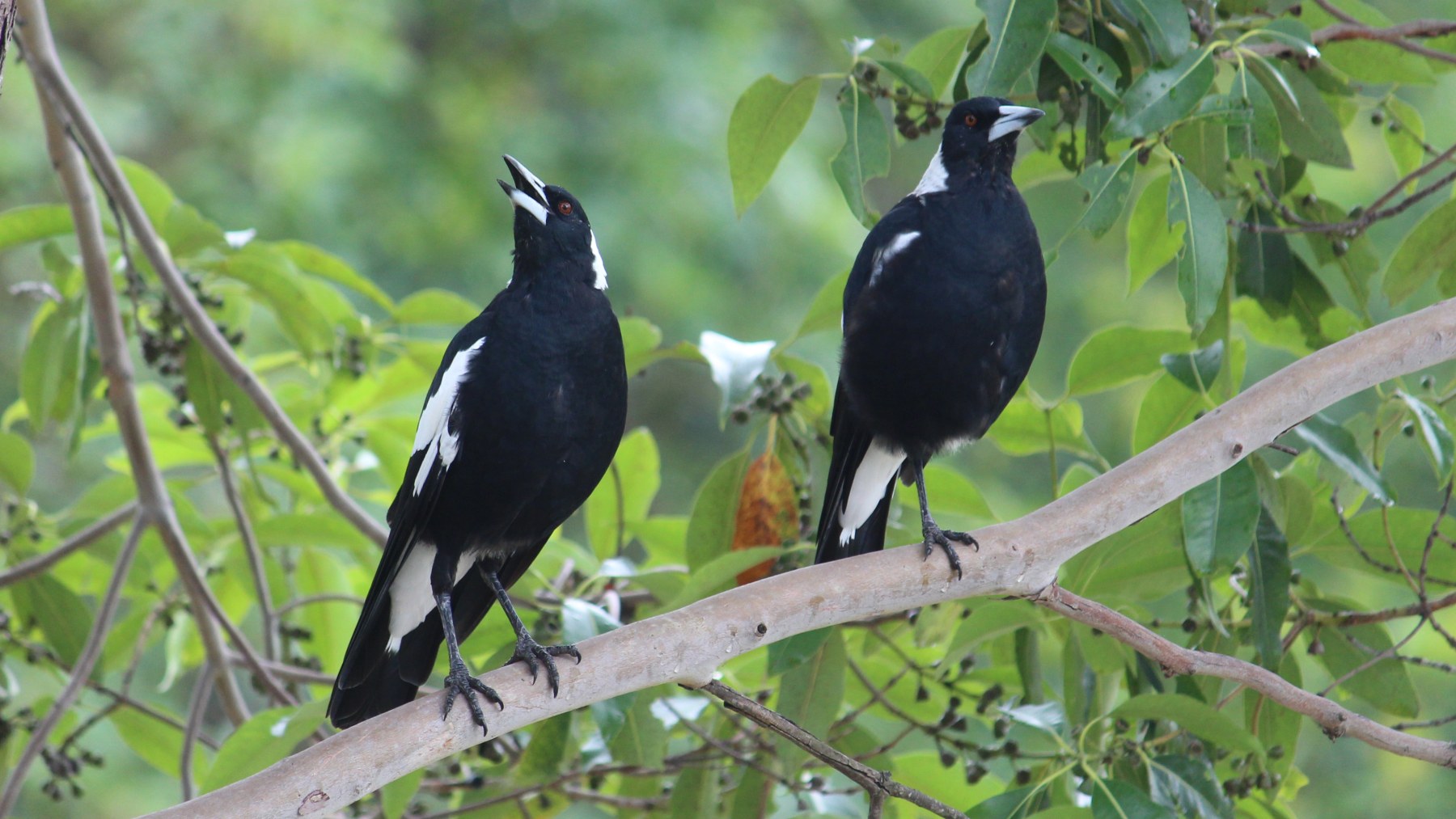
Spring has rolled around once again and while the warmer, longer days are welcomed by many – it also comes with warnings for those looking to enjoy this beautiful time of year.
Following an increase in magpie swooping complaints, Council is reminding residents to stay alert.
Lockyer Valley Regional Council’s Environment Portfolio Councillor Cheryl Steinhardt said the easiest way to stay safe was to avoid breeding nests wherever possible.
“Every year between August and November, magpies and plovers become more protective while raising their young,” she said.
“With swooping birds popping up in many locations across the region, it's simply not possible for Council to place warning signs at every nesting site, so it's important to stay alert wherever you go.
“If you can take precautions such as avoiding known swooping areas, that is certainly the best step.”
Cr Steinhardt said while it can be inconvenient, magpie swooping season was part of Australian life.
“If you do encounter a swooping bird, remember this behaviour is temporary,” she said.
“Swooping usually occurs within a 100-metre radius of the nest and lasts roughly six weeks until the young leave the nest.
“We share our local parks and reserves with many native bird species, including some that display aggressive behaviour at nesting time, but there are ways you can protect yourself.”
Some top tips for staying safe include:
- wear a broad-brimmed hat and sunglasses or shelter under an umbrella (painting or sticking large ‘eyes’ on the back of your hat can also deter magpies)
- if a magpie swoops while you are cycling, get off and walk your bicycle
- avoid “defence zones” by taking alternative routes during the breeding season
- if you must enter a “defence zone”, magpies will be less likely to swoop if they are watched constantly, or if people walk in a close group
- attach a brightly coloured flag on a long pole to your bicycle
- while waving sticks or umbrellas in the air can help keep magpies from getting too close, they can interpret this as aggressive behaviour and make swooping worse.
For more information, visit www.qld.gov.au/environment/plants-animals/animals/living-with/swooping.


